Timeless by Design 2030
Protect Natural Resources
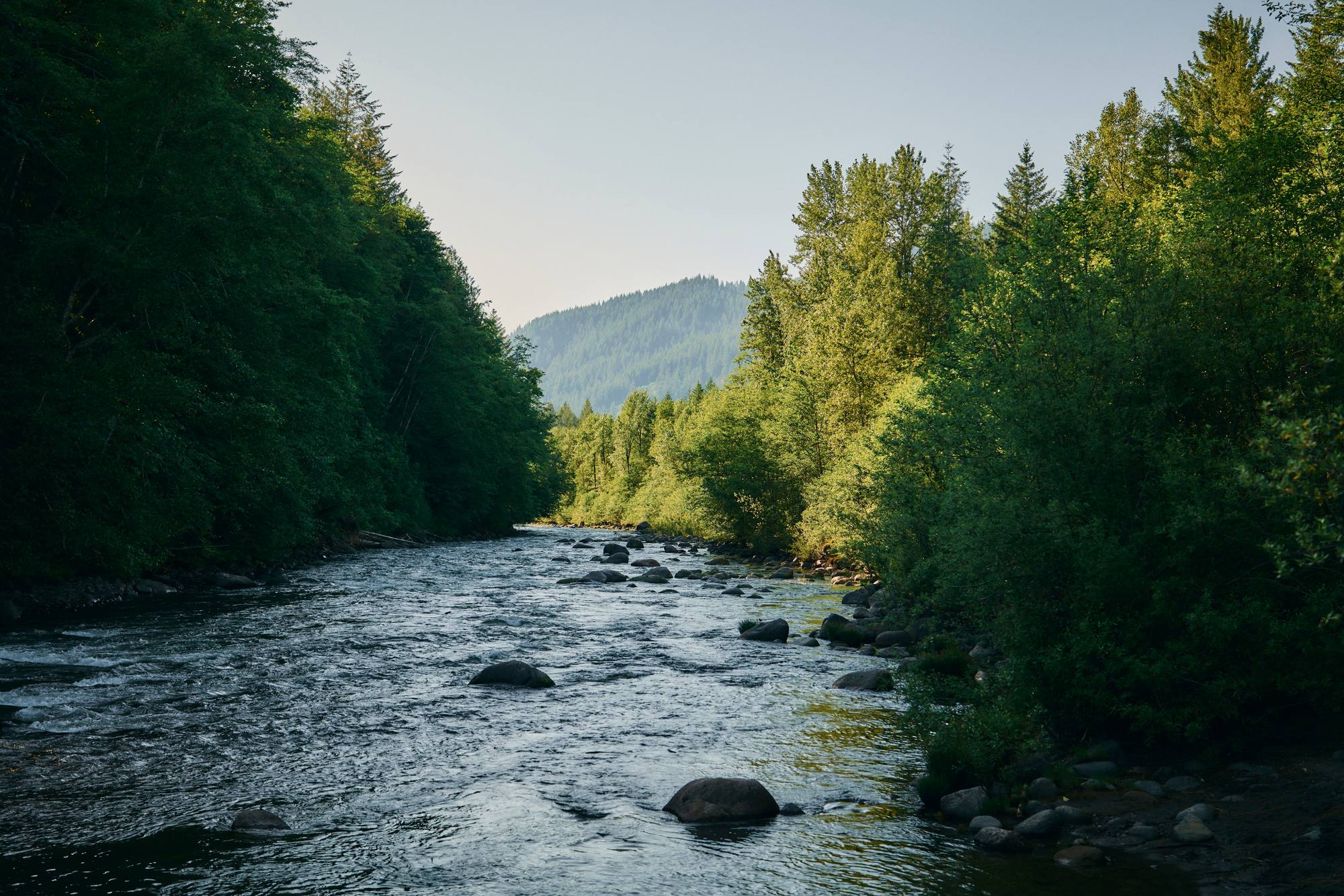
We depend on natural resources to create high-quality, timeless products, because materials like cotton, wool and cashmere rely on healthy soil, clean air and water to grow. Protecting these resources requires thoughtful design, development and manufacturing decisions as our choices can affect water availability, biodiversity and how long our products and materials remain in use. Keeping products and materials in use longer can help reduce demand for new resources over time. We are advancing programs that promote better farming practices, support water quality and enable recyclability.
Flagship Program

Cotton Stewardship
Cotton is the most widely used material across our products, making it a key focus of our efforts to enhance the resilience of natural resources. We are supporting farmers in their transition to regenerative farming practices—including using cover crops and reducing soil tillage—that help to strengthen agricultural land crops, restore soil health and promote biodiversity. We are also increasing the use of recycled cotton, which helps keep materials in use for longer and reduce the need for virgin raw materials.

Foundational Program
Resilience in Natural Materials
Some farming and grazing practices can degrade soil, affecting crops, animals and farmers’ livelihoods. Plant- and animal-based materials we use depend on healthy land for cultivation and to support livestock. To address these issues, we engage partners to strengthen land management and animal welfare practices and improve soil health — helping to reduce material sourcing risks and protect nature.

Foundational Program
Circular Design & Experiences
Creating timeless products that are made to live on is a key part of bringing Ralph Lauren’s vision to life for our customers. We are embedding our commitment to creating with a garment’s entire lifecycle in mind, considering a product’s use, reuse and ability to be repaired and recycled throughout our design and development process. These considerations underpin our Circular Principles and help enable our products to be loved, to live on and be passed on through generations.
Our Circular Principles include:
- Create Responsibly: Source third party-certified materials and use processes that reduce impact and support a resilient supply chain.
- Design for Cyclability: Select materials and construction methods that support textile recycling and reduce waste, considering the end-of-life.
- Design for Longevity: Create timeless, durable products that are made to last, including features that enable repair and alterations over time.
- Inspire Circulation: Connect consumers to ways to repair and recirculate products, from enhanced care instructions to vintage offerings, extending their lifecycle.

Foundational Program
Next Gen Materials
We continue to explore and advocate for the use of innovative materials so they can scale and accelerate progress across our industry. We invest in solutions that provide enhanced customer benefits, improve a product’s recyclability and help reduce environmental impacts. This enables us to continue delivering items that meet our — and our customers’— high expectations of quality while helping to futureproof our business.

Protect Natural Resources
Updates
Embedding Circular Principles Across Our Teams
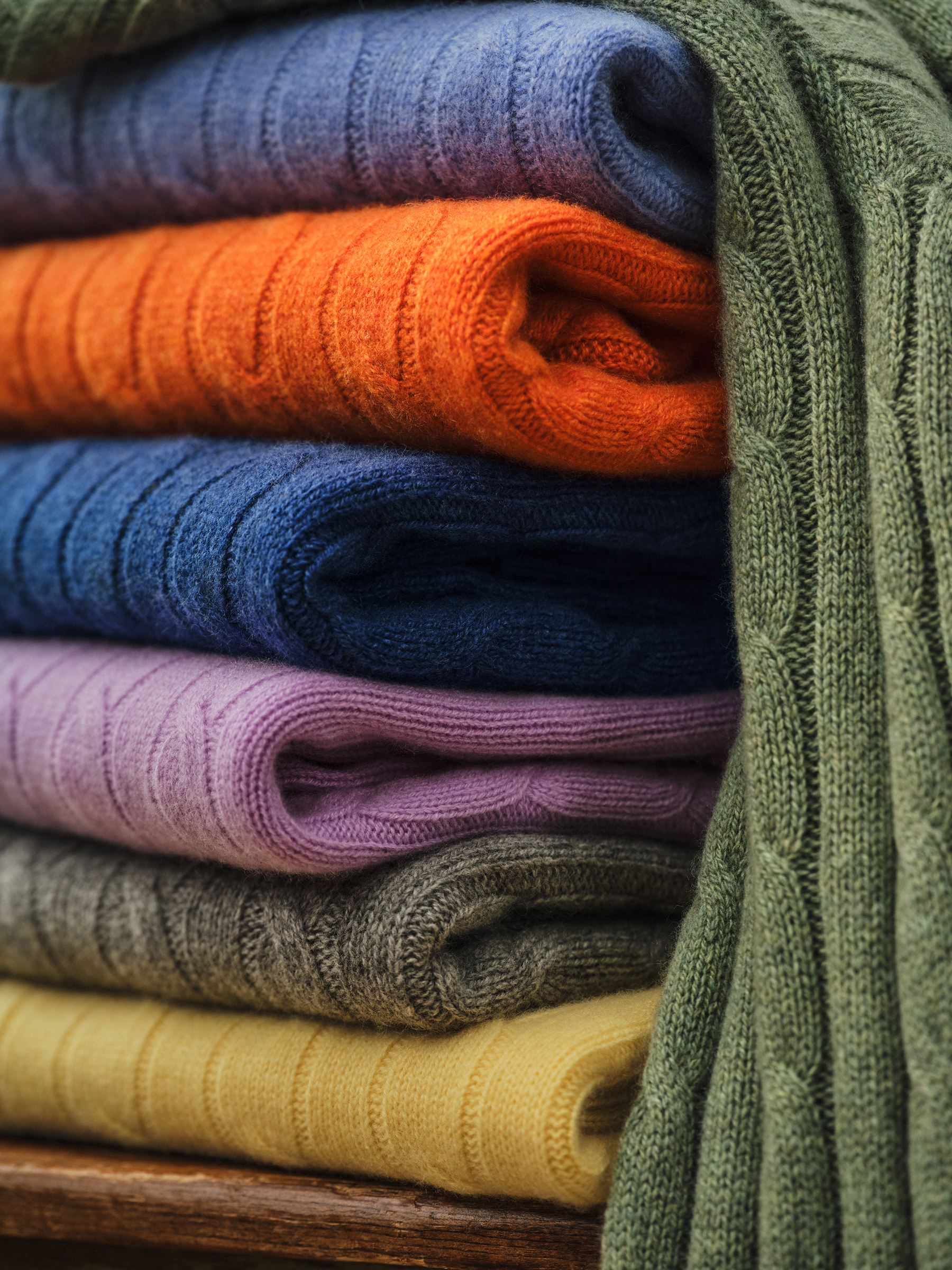
Many of the decisions that shape a product’s impact and lifespan are made long before it reaches a store or a customer’s closet. The Ellen MacArthur Foundation estimates that 80% of a product’s impact is influenced by decisions made at the design stage. We have developed principles to further embed circular thinking throughout the design and development process, helping our teams create products that are made to be loved, to last and to be passed down through generations – in line with Ralph Lauren’s timeless vision.
Our Circular Principles are intended to support choices at every stage of product development. They provide specific guidance to our design teams on how to consider a product’s expected use and lifecycle, including which materials are sourced, how a garment is constructed, its likelihood to be reused, and ability to be repaired or ultimately recycled. We provide training and education to our teams to help embed this thinking into everyday decision-making.
Ralph Lauren’s design and product development teams incorporate these Principles in many ways. One way is by using 3D digital sampling, which can reduce the need for physical samples and help teams refine products earlier in the design process. We also seek to prioritize material choices and production methods, like simplifying material blends and using finishes more compatible with textile recycling technology, helping our products and the materials they are made out of stay in use longer. As part of this design philosophy, we launched and maintain our cashmere and denim recycling initiatives, which help enable our customers to return valuable materials to the value chain rather than sending them to waste.
These efforts support our goal to create at least 85% of apparel units (by volume) using our Circular Principles by FY31. In FY26, 79% were created in accordance with at least two of the Principles.
Advancing Regenerative Cotton Farming Across the U.S.
Photo courtesy of Louis Dreyfus Company
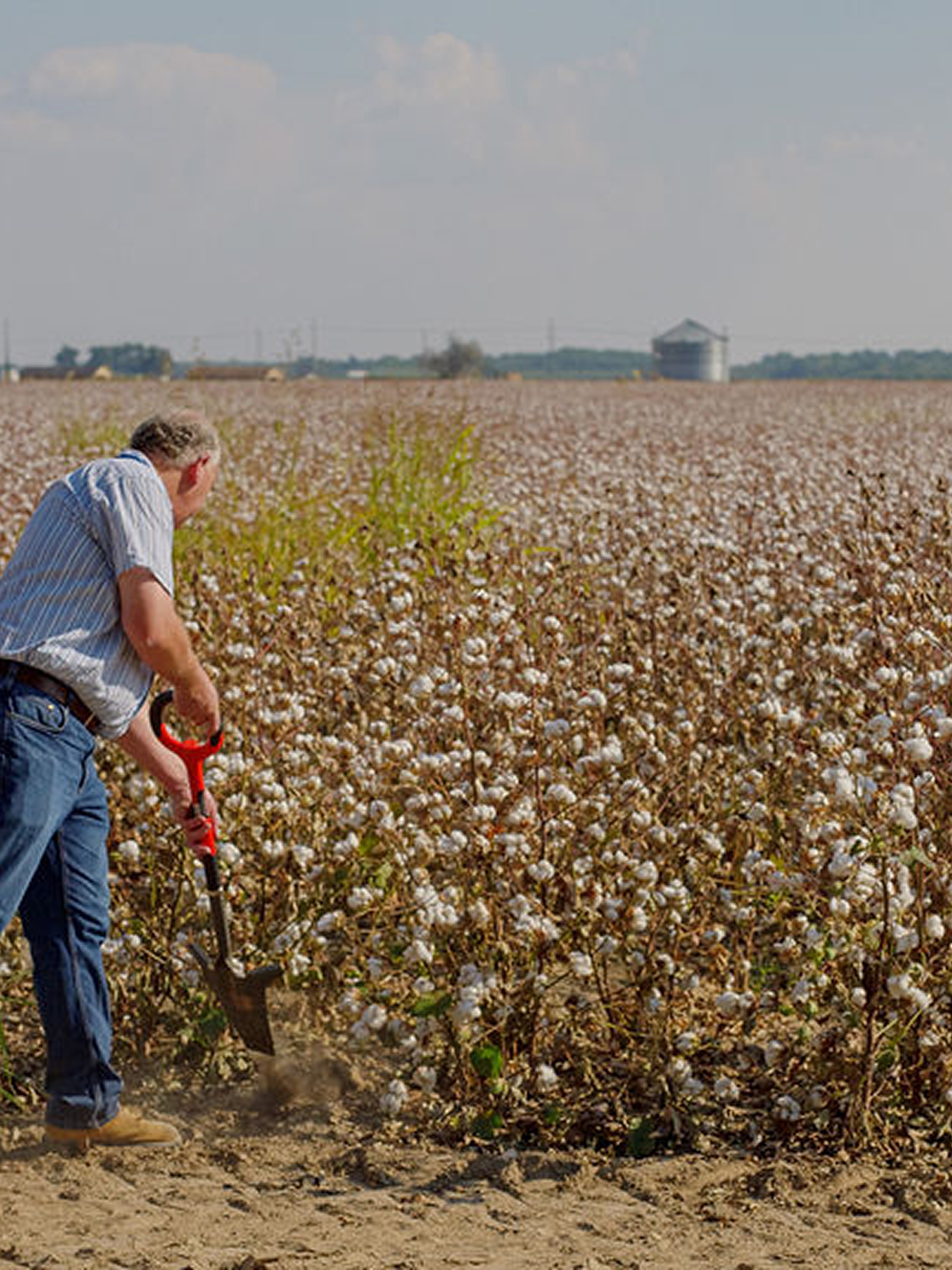
Cotton is the most widely used material across our products, accounting for approximately 80% of our material use. We are supporting initiatives that strengthen the long-term resilience of cotton production, helping ensure we can continue creating the high-quality, timeless products our customers know and trust.
Like many other agricultural crops, cotton is facing increased risk due to degrading soil and climate- and water-related pressures, affecting the crop’s viability and farmers’ livelihoods. Regenerative agriculture is a comprehensive approach to farming that can help address these issues. Practices can include rotating crops, reducing tillage or soil disturbance and using cover crops to keep living roots in the ground, helping to improve soil health, biodiversity and farm resilience.
In FY26, we initiated a pilot with Louis Dreyfus Company's (LDC) Advanced Regenerative Cotton program (ARC) to source U.S. cotton, support participating American farmers in adopting regenerative practices and provide insights into the environmental impacts associated with cotton sourced through the program. Launched in 2023, LDC's ARC program is a vertically integrated model that delivers verified, field-level data on emissions, soil health, water efficiency, biodiversity and input use. 14 farms across Texas, Arkansas, Oklahoma and Mississippi, covering 22,000 certified acres, currently participate in this program and are all certified to the regenagri® standard.
The information gained from this program is helping Ralph Lauren to make informed sourcing decisions and invest in efforts that protect the future availability of our most essential material. We will continue to work with LDC and other partners to support the scaling of regenerative farming practices, helping us progress toward our goal of sourcing 30% of our global cotton volume for apparel from regeneratively3 grown cotton and/or recycled cotton by the end of FY31. Cotton from some of these farms is already making its way into our products and will be available to customers beginning in 2027.
Regenerating Landscapes in Mongolia
Photo courtesy of Good Growth
The quality and availability of the natural materials we use in our products depend on healthy land. After conducting an assessment to better understand what textiles in our value chain have the greatest impact on the environment, we identified cashmere as one of our priority raw materials on which to focus. We concentrated our efforts on initiatives that help protect biodiversity, restore natural systems, support producers’ livelihoods and strengthen the resilience of the natural materials on which we depend.
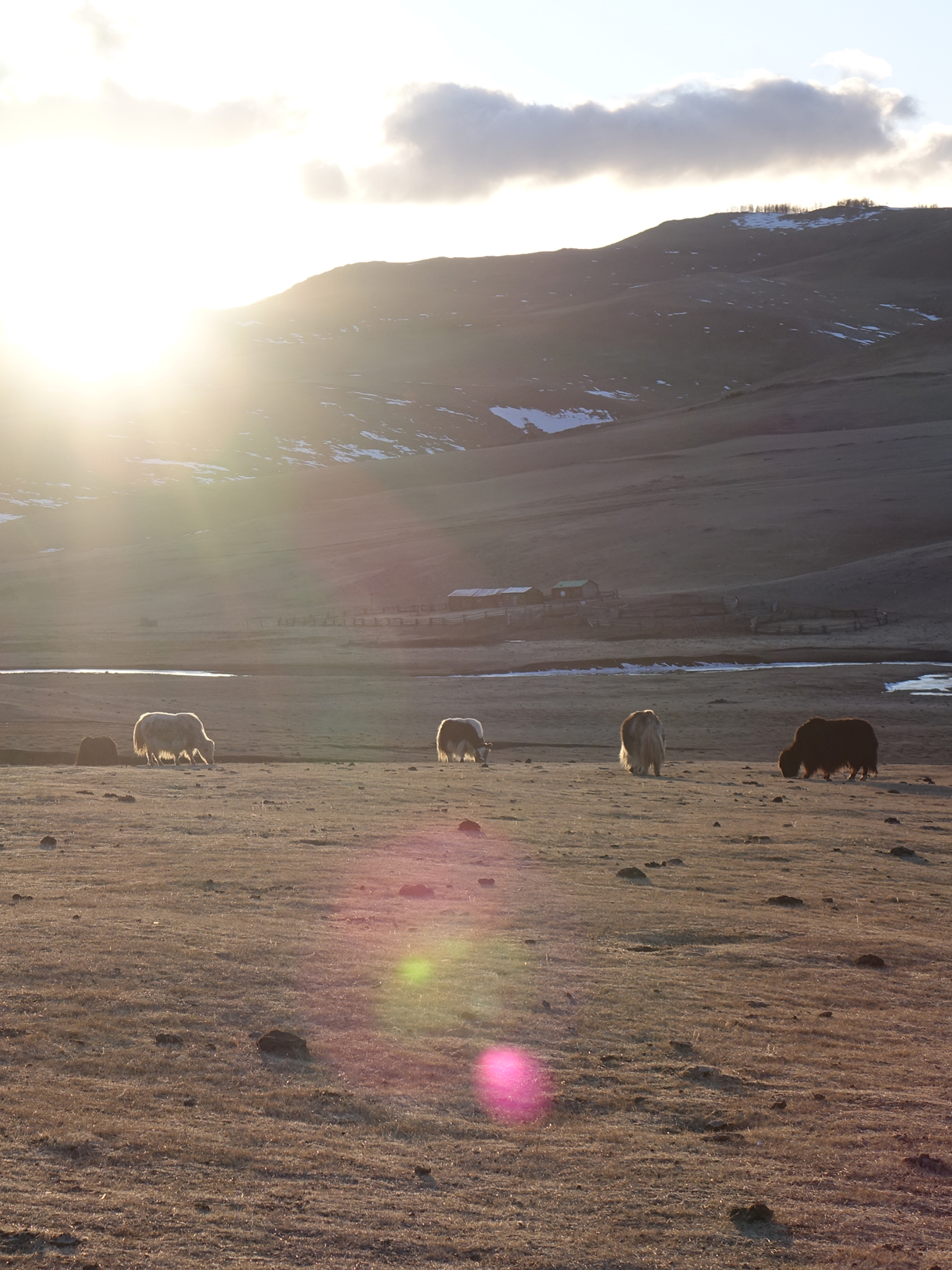
One way we are putting this comprehensive approach into practice is through our work in cashmere-producing regions, where healthy ecosystems are critical to both local livelihoods and long-term fiber supply. In FY26, we continued our partnership with Good Growth in Mongolia, where vast grasslands support local herding communities and a significant share of the world’s cashmere supply. Many of these landscapes are rapidly degrading from overgrazing and other pressures. Good Growth works directly with herding communities in the country to manage herd numbers appropriate to local conditions, helping reduce overgrazing while supporting land restoration. The program rewards fiber quality rather than quantity and diversifies income sources, helping to align business needs with the natural systems that support a sustainable cashmere supply chain.
By redesigning elements of the cashmere value chain, including efforts to promote more predictable pricing and payment arrangements, Good Growth is helping to make herding practices more economically viable, benefiting both local livelihoods and the long-term health of Mongolia's grasslands. The initiative reflects our broader approach to biodiversity by supporting solutions that restore ecosystems, strengthen communities and protect the materials essential to our products.